Dental implants explained: types, timeline & aftercare
Best Clinics Verse team · 28 Jun 2026 · 7 min read
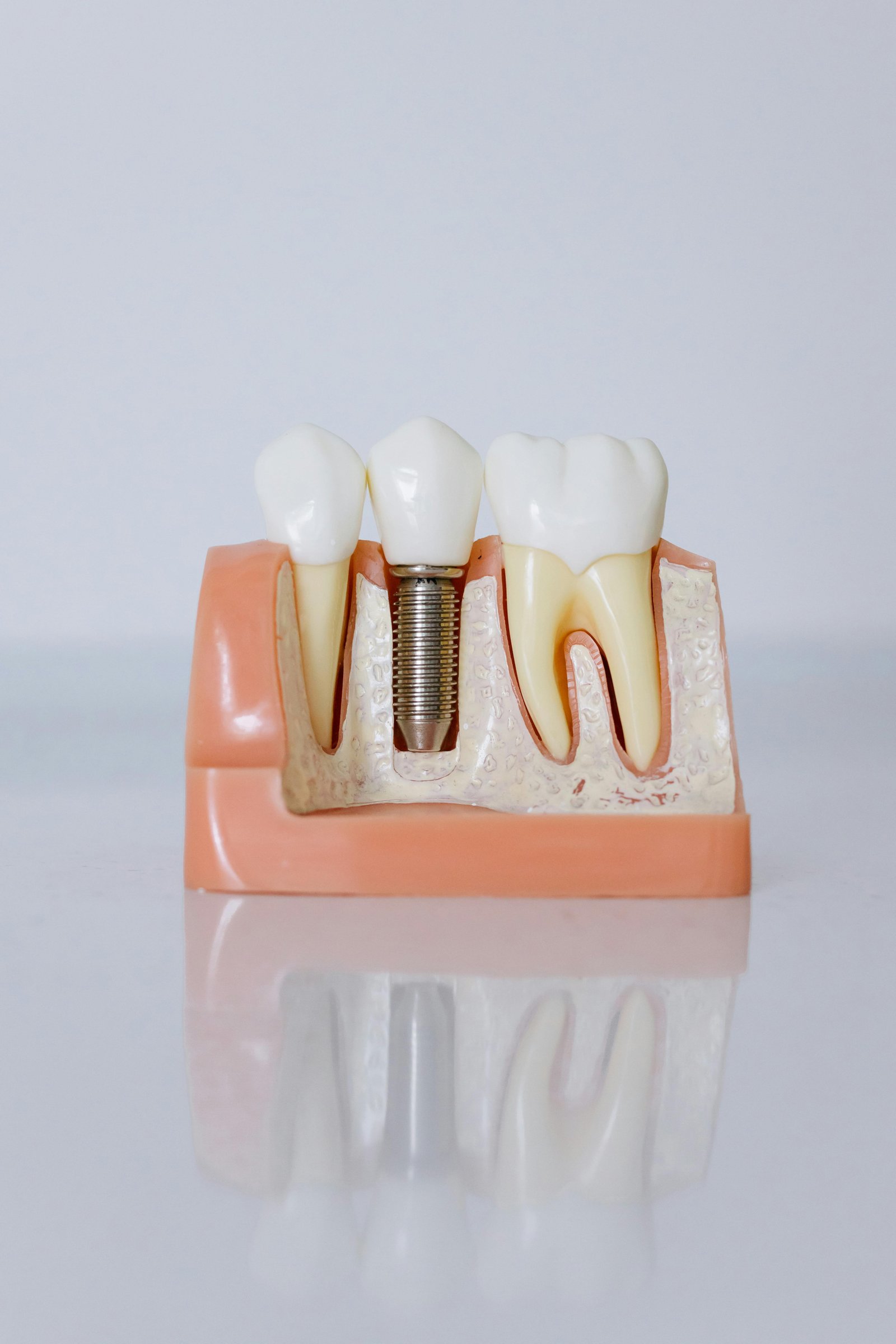
A dental implant replaces a missing tooth from the root up, giving you a permanent, natural-looking result that looks, feels and functions like your own tooth. If you're weighing up implants, here's a clear, no-jargon guide to the types, the timeline and how to keep them healthy for years.
What is a dental implant?
A small titanium (or zirconia) post is placed into the jawbone, where it gradually fuses with the bone in a process called osseointegration. Once healed, a custom-made crown is attached on top. The result is a stable, standalone tooth that doesn't rely on the neighbouring teeth for support — unlike a traditional bridge.
The main types
- Single implant — one post and one crown to replace a single missing tooth.
- Implant bridge — two or more implants supporting a fixed bridge, ideal for several missing teeth in a row.
- All-on-4 / All-on-6 — a full arch of fixed teeth secured on four to six implants, for patients missing most or all of their teeth.
The typical timeline
Most implant journeys move through three stages:
- Consultation & planning — scans, a 3D treatment plan, and any preparatory work such as extractions or bone grafting if needed.
- Implant placement — the post is placed under local anaesthetic. Healing and osseointegration then take roughly three to six months.
- The final crown — once the implant has fused with the bone, your permanent, colour-matched crown is fitted.
Many international patients complete the placement in one short visit and return for the final crown later, often with a temporary tooth in the meantime so you're never left with a gap.
Caring for your implant
Implants can't decay, but the gum and bone around them still need looking after. Brush and floss as you would a natural tooth, keep up regular check-ups, and avoid smoking — it's the single biggest risk factor for implant failure. With good habits, a well-placed implant can last for decades.
A quick note: this article is general information and isn't a substitute for a professional examination. The right approach depends on your bone health, the number of teeth involved and your goals.